
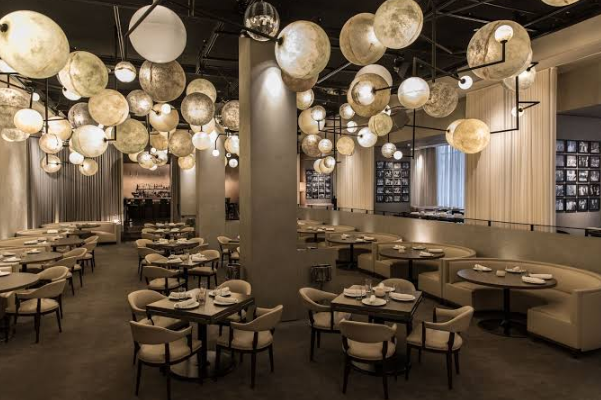

Lighting plays an important role in creating a comfortable and welcoming restaurant environment. From the entrance and dining areas to kitchens and outdoor seating spaces, every section of a restaurant requires suitable illumination. Proper lighting helps customers navigate the premises, supports employees during daily operations, and contributes to the overall atmosphere of the establishment.
For Chicago restaurant owners, improving lighting systems can also provide opportunities to reduce unnecessary electricity consumption, replace aging fixtures, and improve electrical reliability. Understanding lighting design, equipment compatibility, and maintenance requirements can help hospitality businesses create attractive spaces while maintaining safe electrical installations.
Why Proper Lighting Matters in Restaurants
Restaurant lighting serves both functional and decorative purposes.
Customers expect comfortable dining environments, while employees need sufficient illumination to perform food preparation, cleaning, and customer service activities.
A well-designed restaurant lighting system offers several advantages:
- Creates a welcoming atmosphere for customers.
- Improves visibility in dining and service areas.
- Supports safe food preparation and kitchen operations.
- Highlights interior decoration and architectural features.
- Improves the appearance of food displays.
- Supports customer movement through entrances and walkways.
- May reduce electricity consumption through efficient lighting technology.
Professional planning helps ensure that each area receives illumination appropriate for its intended use.
Understanding Different Types of Restaurant Lighting
Restaurants commonly combine several lighting methods to achieve a balanced environment.
Ambient Lighting
Ambient lighting provides general illumination throughout dining rooms and other occupied spaces.
Ceiling fixtures, recessed lights, and wall-mounted lighting systems are commonly used.
The appropriate brightness depends on the restaurant’s design and activities.
Task Lighting
Task lighting provides focused illumination for specific activities.
Kitchen preparation areas, cashier counters, and service stations often require additional lighting.
Accent Lighting
Accent lighting highlights artwork, architectural details, decorative features, and selected dining areas.
It can help create visual interest without excessively illuminating an entire space.
Decorative Lighting
Pendant lights, chandeliers, and specialty fixtures contribute to a restaurant’s interior appearance.
Their installation should consider ceiling height, fixture weight, and electrical compatibility.
Exterior Lighting
Outdoor fixtures illuminate entrances, patios, walkways, and other exterior areas.
Suitable placement helps customers navigate these spaces comfortably.
Common Lighting Problems in Chicago Restaurants
Restaurant lighting systems can develop problems because of aging equipment, unsuitable fixture placement, and demanding operating environments.
Uneven Dining Room Illumination
Poor fixture placement may create areas that are excessively bright or insufficiently illuminated.
This can affect the appearance and comfort of dining spaces.
Flickering Light Fixtures
Persistent flickering may result from defective LED drivers, incompatible dimmers, loose connections, or other electrical faults.
Insufficient Kitchen Lighting
Poor illumination can make food preparation and cleaning activities more difficult.
Work areas should receive suitable task lighting.
Aging Lighting Equipment
Older fixtures may consume more electricity than modern alternatives offering comparable illumination.
Heat and Moisture Exposure
Commercial kitchens contain heat, steam, grease, and moisture that can affect lighting equipment.
Fixtures should be selected for the conditions in which they will operate.
Damaged Electrical Connections
Loose wiring connections and deteriorating components can reduce reliability and create potentially dangerous conditions.
When Should Restaurants Consider Professional Lighting Improvements?
Restaurant owners should evaluate existing lighting systems when renovating dining areas, expanding kitchen facilities, installing outdoor seating, or experiencing recurring lighting problems.
Professional lighting services Chicago can help restaurant managers assess existing fixtures, evaluate electrical conditions, and develop suitable lighting arrangements for different operational areas.
Qualified electricians can determine whether problems require individual fixture repairs, compatible control replacements, additional circuits, or broader lighting improvements.
Not every lighting problem requires replacing the entire system. Some issues can be corrected through targeted repairs or better fixture selection.
Lighting Considerations for Different Restaurant Areas
Different restaurant spaces have unique lighting requirements.
Main Dining Areas
Dining rooms should provide comfortable illumination that complements the restaurant’s interior design.
Lighting should allow customers to read menus and view their meals without excessive glare.
Commercial Kitchens
Kitchen lighting must support food preparation, cooking, cleaning, and equipment operation.
Fixtures should be suitable for the environmental conditions of the installation area.
Food Preparation Stations
Focused lighting helps employees perform cutting, measuring, and other detailed activities.
Proper fixture positioning can reduce shadows across work surfaces.
Reception and Waiting Areas
Entrances and reception desks should provide clear visibility for customer interactions and administrative tasks.
Restrooms
Restrooms require suitable illumination around mirrors, sinks, and circulation areas.
Fixtures must be appropriate for their installation environment.
Outdoor Dining Spaces
Patios and exterior seating areas benefit from lighting that supports comfortable dining and safe movement.
Outdoor fixtures should have suitable environmental ratings.
How LED Lighting Can Benefit Restaurants
LED technology is widely used in modern hospitality lighting installations.
Improved Energy Efficiency
LED lighting generally consumes less electricity than traditional incandescent lighting when delivering comparable illumination.
Actual savings depend on equipment selection, operating hours, and existing fixture efficiency.
Longer Operating Life
Many LED products are designed for extended service periods.
Actual lifespan depends on product quality, operating conditions, and maintenance.
Flexible Lighting Designs
LED fixtures are available in decorative, recessed, pendant, and directional configurations.
Different Color Temperatures
Warm lighting can help create a comfortable dining atmosphere.
Different areas may benefit from different color temperatures depending on their functions.
Adjustable Brightness
Compatible dimming systems allow restaurant managers to modify lighting levels throughout the day.
Reduced Routine Maintenance
Longer-lasting fixtures may reduce the frequency of lamp replacements in suitable applications.
How Lighting Design Influences the Dining Atmosphere
Lighting can affect the visual character of a restaurant.
Creating a Comfortable Environment
Balanced illumination helps customers feel comfortable without excessive brightness or distracting glare.
Highlighting Interior Features
Accent lighting can emphasize artwork, textured walls, decorative installations, and architectural details.
Supporting Different Dining Periods
Some restaurants prefer brighter lighting during daytime service and softer illumination during evening dining.
Improving Table Visibility
Appropriate lighting helps customers read menus and view food comfortably.
Enhancing Entrance Appearance
Well-positioned entrance lighting can create a welcoming first impression.
The ideal arrangement depends on the restaurant’s design concept and customer expectations.
Important Factors Before Installing Restaurant Lighting
Careful planning helps restaurant owners avoid unnecessary complications.
Interior Layout
Table placement, service counters, walkways, and kitchen arrangements influence fixture positioning.
Ceiling Height
Ceiling dimensions affect fixture selection, mounting methods, and light distribution.
Electrical Circuit Capacity
Existing circuits must be evaluated before additional lighting equipment is installed.
Fixture Compatibility
Lighting products, controls, and electrical components must be suitable for the installation.
Environmental Conditions
Kitchen and outdoor fixtures may require protection against moisture, heat, or other environmental factors.
Maintenance Accessibility
Lighting equipment should remain accessible for qualified inspection and maintenance.
Local Electrical Requirements
Commercial lighting modifications in Chicago may require permits and inspections depending on the project’s scope.
How Professional Electricians Support Restaurant Lighting Projects
Qualified electricians help ensure lighting equipment is installed safely.
Initial Lighting Assessment
Professionals inspect existing fixtures, electrical connections, and lighting arrangements.
Electrical Load Evaluation
Existing circuits are assessed to determine whether they can support the planned equipment.
Fixture Installation Planning
Lighting locations are selected according to operational requirements and building conditions.
Equipment Selection
Compatible fixtures, drivers, switches, and protective devices are selected.
Professional Installation
Qualified electricians complete necessary wiring and equipment modifications.
Testing and Verification
Completed installations should be inspected and tested to confirm proper operation.
Smart Lighting Controls for Restaurants
Modern lighting controls can provide greater flexibility during daily operations.
Programmable Lighting Schedules
Restaurants can establish lighting schedules according to operating hours.
Dimming Systems
Compatible controls allow staff to adjust brightness for different dining periods.
Occupancy Sensors
Motion or occupancy sensors can control lighting in selected storage and utility spaces.
Daylight Controls
Certain systems adjust artificial illumination according to available natural light.
Centralized Lighting Management
Some commercial systems allow managers to control multiple lighting zones through a central interface.
These features should be selected according to the restaurant’s operational requirements and equipment compatibility.
Emergency Lighting and Restaurant Safety
Emergency lighting is an important part of commercial building safety.
Illuminating Exit Routes
Required emergency lighting helps occupants identify designated evacuation paths during certain power failures.
Stairway and Corridor Visibility
Escape routes must have appropriate illumination according to applicable life safety requirements.
Backup Power Systems
Emergency lighting may use batteries or other approved power sources.
Periodic Testing
Required emergency lighting equipment should be inspected and tested according to applicable regulations.
Professional Compliance Assessment
Qualified professionals can help determine appropriate emergency lighting requirements for the property.
Common Restaurant Lighting Installation Mistakes
Poor installation practices can affect lighting performance and electrical safety.
Choosing Fixtures Based Only on Appearance
Decorative fixtures must also meet suitable electrical and environmental requirements.
Installing Incompatible Dimmers
Incorrect dimmer and driver combinations can cause flickering and equipment problems.
Ignoring Kitchen Environmental Conditions
Fixtures exposed to heat, grease, or moisture must be suitable for their intended locations.
Poor Fixture Positioning
Improper placement can create shadows, glare, or uneven illumination.
Overloading Lighting Circuits
Additional equipment must be connected only after confirming suitable circuit capacity.
Attempting Unqualified Electrical Repairs
Electrical circuits may contain energized components even when a wall switch is turned off.
Internal wiring modifications should be completed by qualified electricians.
Preventive Maintenance Tips for Restaurant Lighting
Regular maintenance helps preserve reliable illumination.
Clean Lighting Fixtures
Dust, grease, and debris can reduce light output.
Fixtures should be cleaned using methods recommended by manufacturers.
Replace Defective Components
Failed lamps, LED drivers, and controls should be replaced with compatible equipment.
Monitor Unusual Electrical Behavior
Flickering, burning odors, and unexpected fixture shutdowns should receive professional attention.
Inspect Outdoor Fixtures
Exterior lighting equipment should be checked for visible damage and moisture-related deterioration.
Maintain Emergency Lighting
Required emergency fixtures should be tested and maintained according to applicable schedules.
Keep Maintenance Records
Documentation helps restaurant managers track repairs and equipment changes.
Long-Term Benefits of Professional Restaurant Lighting Planning
A properly designed restaurant lighting system can improve the appearance and functionality of dining and working spaces.
Suitable fixture placement supports comfortable dining while providing appropriate visibility for employees.
Energy-efficient equipment and compatible controls may reduce electricity consumption compared with inefficient existing systems.
Professional installation helps ensure that lighting components operate safely with the building’s electrical infrastructure.
Regular maintenance can also reduce unexpected interruptions and make future lighting improvements more manageable.
Conclusion
Restaurant lighting is essential for creating welcoming dining environments, supporting kitchen operations, and maintaining suitable visibility throughout commercial spaces.
Chicago restaurant owners can improve their lighting systems by evaluating existing fixtures, selecting appropriate technologies, and planning illumination according to the needs of each area.
With professional installation, efficient lighting equipment, suitable controls, and preventive maintenance, restaurants can maintain dependable illumination while supporting comfortable customer experiences and efficient daily operations.
